
No products in the cart.
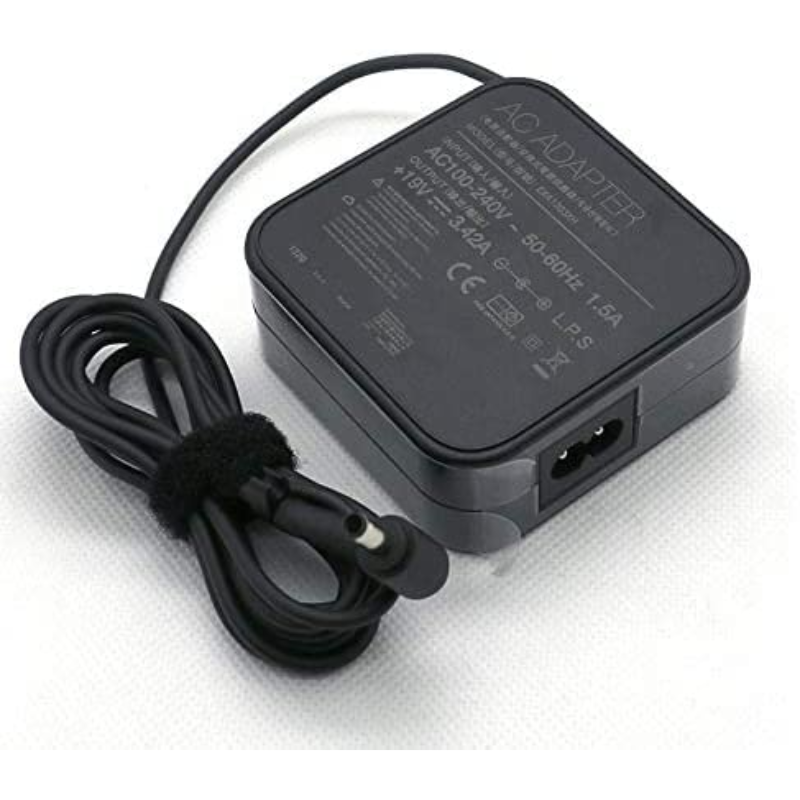
Roll over image to zoom in
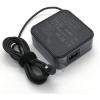
Power Adapter Charger for Asus R500A
KSh 3,109.00
Technical Specifications
Power Adapter Charger for Asus R500A
The Asus R500A is a workhorse 15.6-inch mainstream laptop configuration built around processing-heavy architectures like Intel Core i5 or i7 processors paired with integrated Intel HD Graphics or dedicated entry-level silicon. Because this model relies on a more robust, traditional motherboard engineering design than ultra-thin modern notebooks, its power draw remains substantial under peak processing states. Supplying a steady, unthrottled direct current (DC) line is necessary to prevent random system shutdowns, system performance throttling, or localized circuit stress.
Choosing generic, sub-standard replacement power units can cause underlying hardware issues. Poorly filtered bricks lack steady voltage control, injecting line ripple noise directly onto the motherboard rails. This behavior often manifests as cursor drifting on your touchpad, high coil whine noise, or excessive thermal build-up inside the internal lithium-ion battery pack.
Asus R500A Product Overview
This precise replacement power block is tailored to meet the strict current consumption profiles and heavy-duty port mechanics of the Asus R500A chassis. The motherboard layout relies on the classic, high-durability 5.5mm outside diameter by 2.5mm inside diameter (5.5mm × 2.5mm) straight circular barrel connector. This broad barrel format seats deeply and tightly inside the notebook’s side power jack, providing excellent structural resilience against accidental cable tugs and minimizing loose contacts that can cause dangerous port sparks or localized port melting.
Asus R500A Key Features
-
Heavy-Duty 5.5mm × 2.5mm Barrel Pin: Fits securely into the native R500A chassis port to eliminate loose physical contacts, arcing, or unexpected power toggles.
-
Unthrottled 19V DC Output: Supplies a clean, flat 19V rail, allowing your Core processor to maintain maximum Turbo Boost clock speeds during intensive multi-tasking.
-
90W Overhead Headroom: Engineered at a 90W rating to run cooler, easily handling concurrent computing loads and high-speed battery charging cycles.
-
Multi-Layer Safety Safeguards: Built with specialized internal control circuits to provide over-voltage (OVP), over-current (OCP), and short-circuit (SCP) tracking.
Asus R500A Technical Specifications
Asus R500A Price Breakdown
Investing in a well-insulated, high-quality 90W power brick provides clean voltage delivery and safeguards your laptop’s core logic board components:
Note: Storefront pricing across electronics shops in Nairobi, Mombasa, Kisumu, Nakuru, and Eldoret varies depending on import cycles and the warranty package bundled by the supplier (customarily structured as a 6 to 12-month exchange protection plan).
Asus R500A Pros & Cons
Pros:
-
Excellent Structural Longevity: The thick 5.5mm x 2.5mm barrel tip withstands physical wear and strain much more effectively than modern, fragile thin pins, reducing the risk of internal DC jack breakage.
-
Wide Compatibility Footprint: This 19V 5.5mm x 2.5mm charger blueprint is highly cross-compatible with a vast selection of legacy Asus, Toshiba, and Lenovo laptop architectures.
-
Cooler Operating Temps: Because the 90W power rating provides comfortable overhead room for standard 65W/90W system designs, the adapter brick maintains safe, low operating temperatures.
Cons:
-
Incompatible with Modern Micro-Ports: This large barrel plug will not fit newer, ultra-thin Asus ZenBook, VivoBook, or Chromebook series requiring 4.0mm or 3.0mm tips.
-
Bulky Form Factor: Due to its 90W internal copper windings and protective insulation layers, the desktop style brick is heavier to carry during travel than compact wall-wart chargers.
Asus R500A Verdict
To ensure safe, continuous charging for your laptop, configuring your deployment with a high-grade adapter pushing 19V through a 5.5mm × 2.5mm circular barrel plug is critical. Deploying a premium 90W power supply ensures your computer receives clean, unthrottled energy—preventing processing bottlenecks, slowing battery charge curves, or circuit strain during high-demand workloads.

Reviews
There are no reviews yet.